
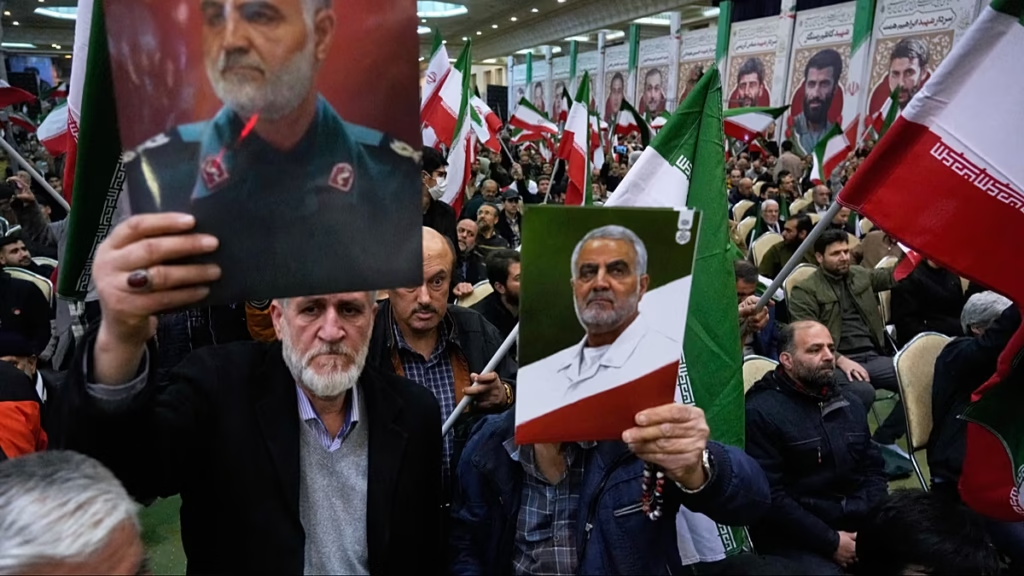
The decision followed a violent crackdown on nationwide protests earlier this month, which left thousands dead.
European Union foreign ministers agreed on Thursday to designate Iran’s Islamic Revolutionary Guard Corps (IRGC) as a terrorist organisation, marking a significant shift in Europe’s policy toward Tehran. The move places the IRGC alongside groups such as Islamic State and al Qaeda on the EU’s terror list.
EU foreign policy chief Kaja Kallas announced the decision on social media, writing that repression must not go unanswered. She added that any regime responsible for killing thousands of its own citizens works toward its own downfall.
Formed after the 1979 Islamic Revolution to safeguard Iran’s clerical system, the IRGC wields vast influence across the country. It controls large parts of the economy, commands powerful armed units, and oversees Iran’s ballistic missile and nuclear programmes.
The decision followed a violent crackdown on nationwide protests earlier this month, which left thousands dead. Dutch Foreign Minister David van Weel said the EU needed to send a clear signal that such brutality against protesters cannot be tolerated. France and Italy, previously hesitant, supported the listing this week, helping secure consensus.
Some EU capitals expressed concern that the designation could sever diplomatic ties with Iran or endanger European citizens inside the country. Kallas, however, stressed that diplomatic channels would remain open despite the listing.
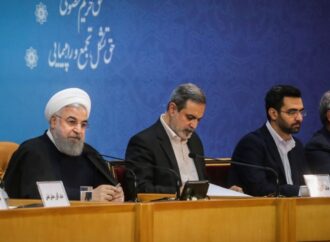
Alongside the IRGC designation, the EU imposed sanctions on 15 individuals and six entities accused of serious human rights violations. Those targeted include Interior Minister Eskandar Momeni, Prosecutor General Mohammad Movahedi Azad, several IRGC commanders, and senior law enforcement officials.
Entities sanctioned include Iran’s Audio-Visual Media Regulatory Authority and software firms accused of censorship, online trolling, spreading disinformation, and developing surveillance tools that disrupted internet access.
The EU also sanctioned four individuals and six entities linked to Iran’s drone and missile programme. In addition, the bloc expanded restrictions on the export of components and technologies used in the production of unmanned aerial vehicles and missiles.
This decision signals Europe’s tougher stance on Iran while balancing the need to maintain diplomatic engagement.









Leave a Comment
Your email address will not be published. Required fields are marked with *