
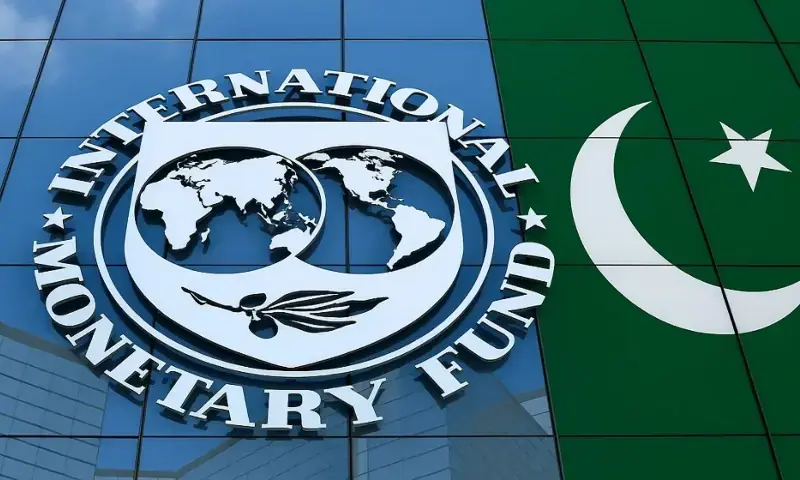
The economists highlight how Pakistan’s political economy rewards rent-seeking, restricts competition, distorts energy pricing, discourages exports, and relies on discretionary decision-making rather than predictable rules.
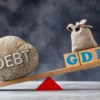
Economists Nadeem ul Haque and Shahid Kardar argue that Pakistan’s recurring dependence on the International Monetary Fund (IMF) stems not from a shortage of ideas but from entrenched structural flaws in the economy that repeatedly trigger balance-of-payments crises.
In their analysis, they caution that official debates on “exiting the IMF” often rely on broad slogans such as boosting exports or improving governance, without spelling out the specific policy actions needed. They note that policymakers frequently confuse aspirations with instruments and present outcomes as if they were reforms.
The economists highlight how Pakistan’s political economy rewards rent-seeking, restricts competition, distorts energy pricing, discourages exports, and relies on discretionary decision-making rather than predictable rules. This environment weakens foreign exchange earnings, fuels unsustainable fiscal deficits, and erodes credibility in global capital markets.
They identify three recurring triggers for IMF intervention: slow growth in foreign exchange earnings, deficit financing through excessive borrowing or money creation, and a collapse in market confidence. These, they argue, are structural problems rather than temporary shocks.
The authors stress that reform must begin with the energy sector, which they describe as the most consistent source of IMF programme failures. Pakistan’s energy crisis, they explain, arises from poor pricing mechanisms, governance lapses, and fragmented institutions, all of which create circular debt and distort investment signals. They call for transparent, cost-reflective tariffs, automatic adjustment mechanisms, and stronger accountability for utility companies, while protecting vulnerable consumers through targeted cash transfers.
Tax reform is identified as another critical priority. They criticise Pakistan’s complex and inequitable tax system, which they say discourages investment and formalisation. Instead, they advocate for a simple, broad-based, and predictable tax structure that penalises privilege and non-compliance rather than productivity.
Their conclusion is stark: Pakistan can only break free from IMF dependence by dismantling the domestic systems that perpetually recreate economic crises.











Leave a Comment
Your email address will not be published. Required fields are marked with *