
Sheikh warned that the high cost of capital is driving factory closures and undermining Pakistan’s export competitiveness.
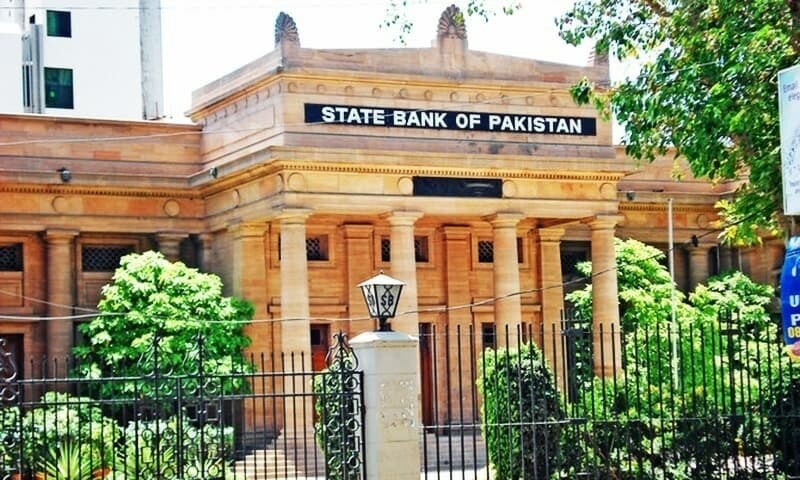
Karachi : The State Bank of Pakistan’s (SBP) decision to maintain the monetary policy rate at 10.5% has sparked strong criticism from the country’s business and industrial circles, who argue that the move will hinder economic recovery, investment, and export growth.
Leaders of major trade bodies expressed disappointment, saying the central bank’s cautious stance ignores the realities faced by industry. Federation of Pakistan Chambers of Commerce and Industry (FPCCI) President Atif Ikram Sheikh described the decision as “strictly disappointing,” stressing that businesses had demanded a sharp cut of 350 basis points to bring the rate down to 7%. He said such a reduction was necessary to provide relief to industries struggling with high energy costs and borrowing expenses.
Sheikh warned that the high cost of capital is driving factory closures and undermining Pakistan’s export competitiveness. He urged the SBP to align interest rates with single-digit inflation and called for an “industrial emergency” to prevent further damage to the manufacturing sector.
FPCCI Senior Vice President Saquib Fayyaz Magoon echoed these concerns, noting that with inflation at 5.6%, the policy rate should ideally fall between 7.6% and 9.6% under global benchmarks. He argued that double-digit rates penalise the private sector, restrict SME financing, and weaken Pakistan’s position against regional competitors.
Sectoral associations also voiced frustration. Pakistan Chemicals and Dyes Merchants Association Chairman Salim Valimuhammad said high borrowing costs were delaying recovery, while Korangi Association of Trade and Industry President Muhammad Ikram Rajput pointed to declining exports and rising imports as evidence that affordable financing is urgently needed. SITE Association of Industry President Ahmed Azeem Alvi added that even a modest cut of 1–1.5% could have supported exporters and encouraged investment.
From the financial sector’s perspective, JS Global Research Head Waqas Ghani Kukaswadia explained that the Monetary Policy Committee cited sticky core inflation, a wide trade deficit, and stronger-than-expected growth as reasons for holding the rate. He noted that while reducing the Cash Reserve Requirement to 5% may improve liquidity and support credit growth, the unchanged policy rate also protects bank margins.
The backlash highlights the widening gap between the SBP’s cautious monetary approach and the private sector’s demand for aggressive easing to revive Pakistan’s struggling economy.















Leave a Comment
Your email address will not be published. Required fields are marked with *