
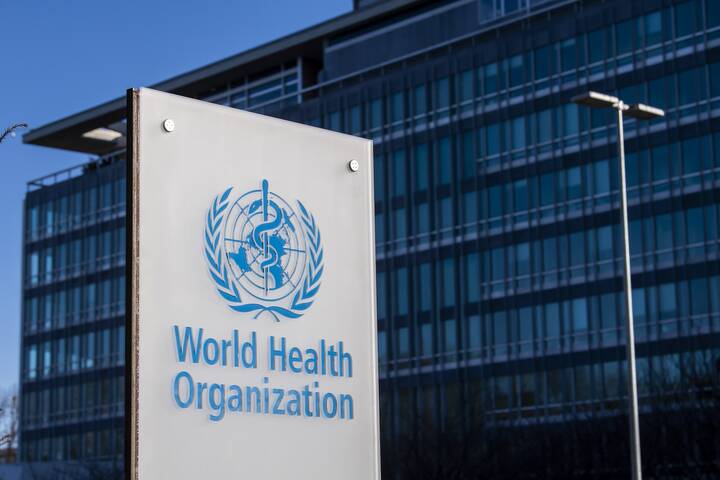
WHO Director-General Tedros Adhanom Ghebreyesus warned that the move would make both the US and the world less safe, stressing that it was not the right decision.
Washington:
The United States is preparing to leave the World Health Organization this Thursday, a decision that has unsettled governments and health experts worldwide. President Donald Trump signed the executive order on his first day in office in 2025, beginning the formal withdrawal process. Before the exit takes effect, Washington must pay $260 million in outstanding dues owed to the UN health agency.
The administration has accused the WHO of failing to manage the COVID-19 crisis, bowing to political influence, and favoring China. Officials also claimed the organization withheld vital information that cost the US trillions of dollars. A State Department spokesperson said Americans had already paid more than enough and described the financial burden as unacceptable.
WHO Director-General Tedros Adhanom Ghebreyesus warned that the move would make both the US and the world less safe, stressing that it was not the right decision. The loss of US funding, which traditionally accounts for nearly one-fifth of WHO’s budget, could force the agency to cut thousands of staff by mid-2026.
The financial gap will hit low and middle-income countries hardest, as many rely on WHO programmes for immunisation, polio eradication, HIV/AIDS treatment, and disease control. Experts say the withdrawal undermines global cooperation at a time when pandemics, antimicrobial resistance, and other health threats demand collective action.
The absence of the US has already reshaped global health diplomacy. In May 2025, the World Health Assembly adopted the Pandemic Treaty without American participation, leaving Washington outside key discussions on vaccine equity, pathogen sharing, and outbreak response. Analysts believe China will expand its influence in the space left behind.
Critics warn that the US risks isolating itself from crucial health data. Lü Xiang of the Chinese Academy of Social Sciences said the country could become an “information silo,” complicating coordination during future outbreaks. Kelly Henning of Bloomberg Philanthropies added that the withdrawal could weaken systems the world depends on to detect and respond to health threats.
The decision marks a turning point in global health governance, raising questions about how the WHO will adapt to the loss of one of its largest contributors and how the US will manage its role in international health outside the organization.








Leave a Comment
Your email address will not be published. Required fields are marked with *